
Sudden or traumatic loss can be one of the most difficult losses to cope with for many reasons. The way in which someone died may be hard to think of when the death was traumatic. We may feel conflicting feelings such as anger, sadness, betrayal, fondness, relief, guilt, and love all at the same time.
If someone significant to us died and did not tell us they were ill or did not pursue help or support, we may feel frustration, anger, or resentment towards them. If we had an estranged relationship, we may be sad and at the same time angry that the relationship was not what it could have been.
We may have a hard time connecting with others who may not understand the complicated feelings we are experiencing. We may feel as if we are alone.

Also, grief can be present in so many parts of our lives and is not always associated with death. We may experience grief through the loss of relationships, roles, or places. We may grieve dreams we had that have not yet or cannot now come true. Sometimes the co-existence of grief can make the experience of bereavement even more complex.
If you are supporting a child who has experienced a sudden or traumatic loss, here are some ways that may be helpful in processing their experience of grief:
- Normalize and empathize with their complicated and conflicting feelings.
- Welcome all feelings.
- Explain, in developmentally appropriate ways, how the person they are remembering died.
- Use concrete language.
- Answer the questions they ask.
- Bring up the person they are remembering, if that would be helpful to them.
- Make time for remembering activities.
- Care for yourself and model that to them.

Normalize and empathize with their complicated and conflicting feelings
When someone dies suddenly or in a traumatic way, we may experience confusing feelings such as anger, betrayal, or resentment. We may be upset with someone who died by suicide, overdose, or a sudden heart attack due. At the same time, we may be heartbroken by the loss.
Ask the child(ren) you are supporting how they feel. Allow time and space for them to express their thoughts and feelings about the death of the person they are remembering however that feels best for them, whether that is talking or expressing their experience through play, art, or other expressive activities.
Then after giving space for them to express their feelings, model expressing your grief. Label the feelings that you may be feeling or have felt before. Normalize for them that feelings can be complicated and can change. We may be feeling joy in remembering our loved ones, then sadness in missing them, then anger at them for not being physically present with us anymore. This might all happen quickly or slowly. It may also be helpful to share that grief can be everlasting and can shift and change over time.
To read more on ways to show your grief that I have found helpful, check out this post titled Show Your Grief (and other feelings too).

Welcome all feelings
Some feelings are easier to express than others. It can be hard to be vulnerable and express feelings such as guilt, shame, and embarrassment. We may more often express feelings that feel more expected from others. We may appear angry yet underneath we may be feeling guilt or embarrassment.
Another emotion that can be difficult to express, especially when grieving, is relief. We may miss someone and at the same time feel relief for various reasons. For example, if it was a difficult relationship, we may feel relief that we do not have to experience future challenging times with that person and we may also miss them.
With the best intentions, adults often focus on all the good memories. It can be helpful in continuing their bonds with the person they are remembering by focusing on fond memories. It is also important to create a safe space for children to express all feelings. It may be helpful to talk about how feelings can be complicated, and that all feelings are welcome.
Explain in developmentally appropriate ways how their loved one died
If you are the caregiver of a child(ren) whose had someone significant in their life die, let them know how their loved one died in a developmentally appropriate. Every child may be different in their development, so age is not the most accurate way to determine what would be appropriate for the child(ren) you are supporting.
Depending on a child’s development, you may need to explain what death is. It can be helpful to explain that the person’s body is no longer working. That they can no longer eat or breathe which means their body cannot survive and cannot come back to life.
What if the death was due to a drug overdose or suicide?
A question that is often asked, “Is my child too young to hear about that?” or “Will this increase the likelihood that they may die by suicide one day?” One of the risk factors for suicide is if there has been a suicide of someone significant to us. That is only one of many risk factors. We understand your concerns. Only those closest to the child(ren) you are supporting know them best. If you are the child(ren)’s caregiver, follow your intuition on what is best for the child(ren). If the child(ren) you are supporting are not in your care, it would be best to consult with those closest to the child(ren).
It may be helpful to explain that the person they are remembering was likely struggling with mental health and for whatever the reason may be, they were not able to get the help they needed to survive. This is one of the many reasons it is so important for us to share where we are at with our mental health and get support when we are facing challenges.
For more details on how to help support children and teens if their loved one died by suicide, here is a resource that was written by the American Foundation for Suicide Prevention.
Use concrete language
When supporting children with grief sue to a death, use the words dead and died. Avoid euphemisms such as “passed away,” “we lost them,” or “they went to sleep.” Children are often concrete thinkers, so it can be helpful to give them concrete language.
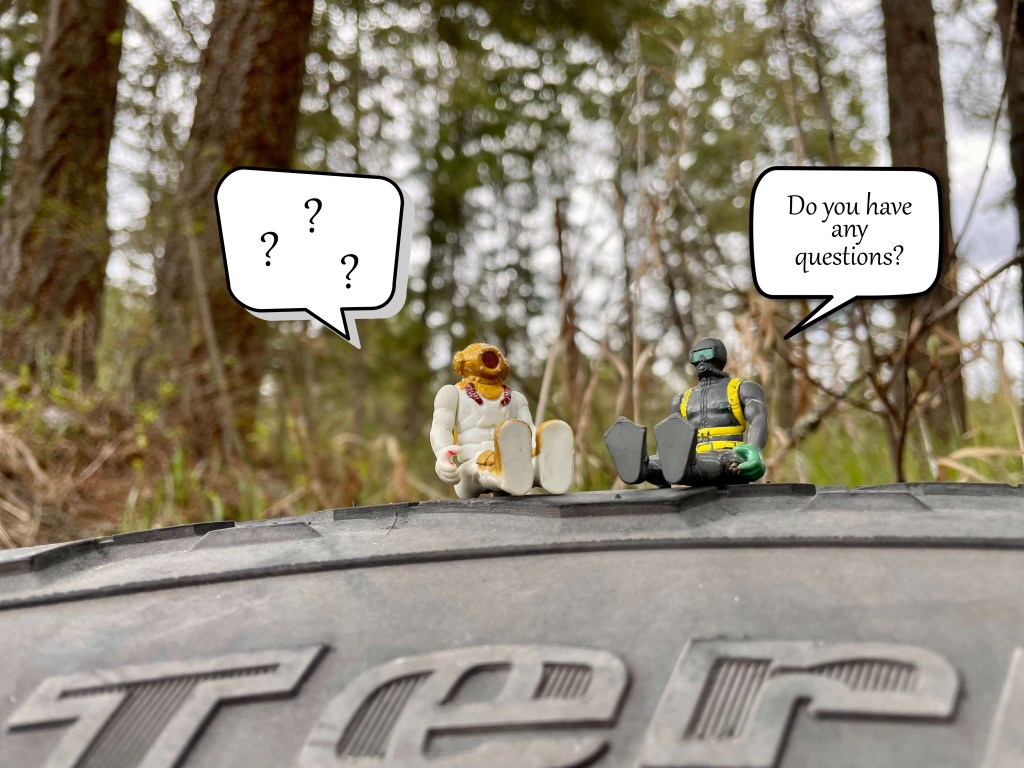
Answer the questions they ask
When we ask questions, it is often because we want to know the answer to those questions and if we cannot find the answer from our most trusted source, we may look to find the answers elsewhere. If we do not answer children’s questions, they will either imagine what the answer may be or will ask others.
It can be helpful to answer the questions they while providing a safe, non-judgmental, space for them to ask any follow-up questions.
Some questions that may come up could be why did they not want to stay here with me? Is there something wrong with me? Did I cause the death? It will be important to create a safe space for them to express all feelings, including guilt and confusion. Some children may feel that they are somehow to blame for the death.
It can be helpful to normalize these feelings and talk about how they could not have prevented the death of the person they are remembering no matter what they could have done differently.
If you do not know the answer to their question, say that. Let them know that you do not have all the answers which may also be comforting to know that it is okay if they do not have all the answers either.
Bring up the person they are remembering, if that would be helpful to them
With the best intentions, we may not want to bring up someone’s loved one who has died as we may think that we are protecting them from their feelings of grief and loss. When someone dies in a sudden or traumatic way, we may be even more cautious of bringing up the person they are remembering because of the conflicting feelings that may be present.
For someone who is grieving, that grief is always present inside of them. Asking about the person they are remembering and about how they are doing, let’s them know that you are someone they can connect with about their feelings.
If you would like some more hopefully helpful hints on ways to support children with grief and loss by bringing up their loved one, check out this post I wrote called Bring Them Up.

Make time for remembering activities
The hope with making and even scheduling times for sharing or expressing memories is to create a space for the grief they are experiencing so they know they can express their grief on this planned date and until then they can release some of their more difficult feelings of grief temporarily to get a break from the potential intensity of the feelings.
Care for yourself and model that to them
The most effective way to have someone learn new ways to cope is to model it yourself. It can be helpful to express when you are struggling, express how you are choosing to process your feelings, and what you are doing to care for yourself, so you have the strength to continue through the challenges you are facing and hopefully still be able to find moments of joy.
Cordelia Mejin shares about how to try to bear witness to someone else’s grief while also tending to your own, in her post The Power of Witnessing Grief.
I hope you found this helpful, if there is anything I have not covered that you are curious about on how to help support children who have experienced the sudden or traumatic death of a loved one, please connect. If I don’t know the answer to your question, I will try to find you resources.
A great source of resources for supporting those grieving the death of a loved one suddenly or due to a traumatic loss is BC Bereavement Helpline’s helpful list of resources. They also have lots of resources on many aspects of various grief and loss. Click here to visit their resource page.

 Dallas Shirley