
When you are supporting children with grief, questions may arise that may be difficult to answer. In providing children’s grief support over the years, here are some ways that I have found helpful to answer some of the common questions that come up.
- What happened? How did they die?
- Will they come back?
- What happens to people or pets after they die?
- What happens now that they have died?
- Will I die too?
- Will you die too?
- If my caregiver(s) dies, who will take care of me?
- Was it my fault that they died?
- Is what I am feeling normal? Is how I am acting normal?
- How can I continue my bond with them?
1. What happened? How did they die?
It can be helpful to be as specific as possible, while being developmentally appropriate, when explaining how someone died to a child or youth. Try to always use concrete language such as using the words dead, died, and dying rather than metaphorical language such as “lost,” “got really sick,” “went to sleep and did not wake up,” or even the words “passed away.”
If the person died from an illness, let the child know the name of the specific illness and how this is different from a regular cold or flu.
If the person died in their sleep, make sure you let them know why and that this is not something that happens normally. If you don’t know why the person died in their sleep, let them know that there must have been something more that happened, that you will most likely find out about in time, and that you will let them know when you do.

We want to do our best, for the children we are supporting, to decrease the likelihood of unnecessary increases in anxiety about going to sleep, getting sick, or having others in their lives go to sleep or get sick. To read more about using concrete language check out this article I wrote.
2. Will they come back?
This is a difficult question. One way to answer it is that the person’s body has stopped working. Meaning they can no longer breathe or move. Therefore, this person can no longer physically be with us in their body.
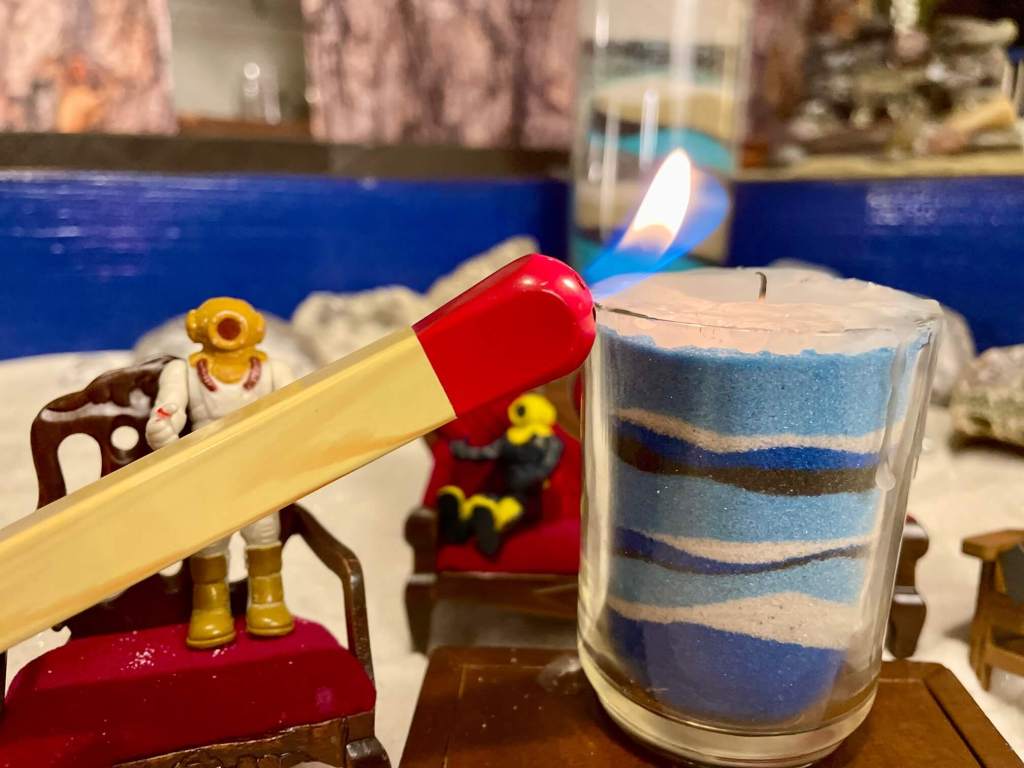
Something I do at the end of each session whether it be a one-to-one counselling session or a children’s grief group, we light a candle and talk about hope and wishes. We talk about how not all wishes come true, but some do, and the more realistic we make a wish the more likely it is to come true. Typically the #1 wish for children with grief is for their loved one to come back to life and that is a wish that cannot come true.
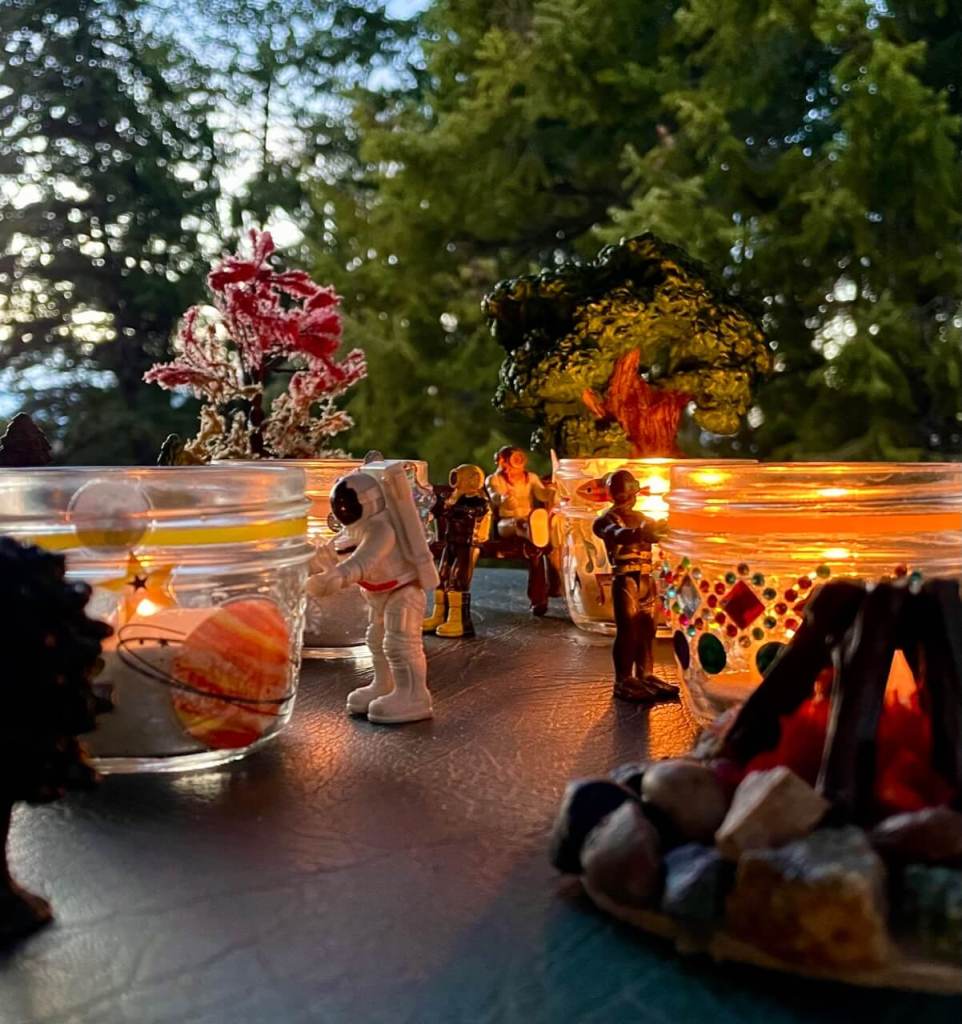
I hope to help them find wishes that hopefully can come true so that way they can continue to make wishes and have hope. We also talk about how it can sometimes be helpful to say our wishes out loud especially to say our wishes out loud to people who may be able to help us make those wishes come true.
3. What happens to people or pets after they die?
One way to answer this question is with asking what they think happens. Often people ask us questions they wish to talk about as a way of introducing the subject. Perhaps the child(ren) you are supporting has an idea they want to share with you. If they have no idea, and persist in wanting to know your thoughts, what may be helpful to share is that many people believe many different things about what happens after people or pets die.
I purposely never read grief books that mention religious views or religion in general. There are some books that I really like for grief support that I tape together certain pages that contain any mention of religion or religious views. The reason for this is that every person might have different views and I would not want to influence a child’s belief based on a grief book that I introduce. Please read through any book that you plan to share with a child.
4. What happens now that they have died?
This is an opportunity to talk about what the child may want to do to commemorate the person they are remembering. You might talk to them about the plans that may be happening such as a celebration of life, memorial, and/or funeral.
It can be helpful to ask them if they want to be there for any of these events. If they do, find out if they want to participate in any way such as doing a speech, singing a song, picking out music, or picking out flowers. It might also be helpful to ask if they would like someone there just for them for extra support. When picking that support person, be sure it is someone who would not mind leaving in the middle of the event and someone that you would feel comfortable with the child being with.

The more you share about what the event may be like and look like, the more you will be able to help them prepare for the emotions they may feel while they are there. Also, it may be helpful to share feelings you may be having about attending the event to help validate their feelings.
5. Will I die too?
Anxiety about our own mortality can be heightened after a significant person dies. As with all these questions, it is important to be as honest as possible. One thing you could say is that we will all die; every living thing does die.
Some things live short lives such as bugs or hamsters. Other things live longer such as people and some things live very long like some trees.
You could say that typically we do not die until we are older and the average age people live is into their 80s. Some people live even longer. Unfortunately, some people die earlier and that is not nearly as common.
There are many things we have little control over in life and often that is when we die. We sometimes do have some control over how long we might get to live by eating mostly healthy if that is attainable, staying active in healthy ways if possible, making as safe as choices as possible if we have the opportunity, and connecting for support for our mental health to help release some of our overwhelm by sharing through art, projects, talk, play, or whatever way helps support you best.
6. Will you die too?
Again, try to be as honest as you can with this question. One thing you could say to this question is “Yes, all living things die and most people die in their 80s and sometimes even later than that.”

7. If my caregiver(s) dies, who will take care of me?
If you are a caregiver of a child with grief, it can be helpful to let children know the plan for what would happen if you were to die while they are still living in your home. This is especially important to do if children are grieving the death of another caregiver.

If possible, give children choice. What I mean by that is if you have a few people that you would feel equally comfortable for your child to live with and be cared for by, then let your child know and come to the decision together on what feels best for them.
8. Was it my fault that they died?
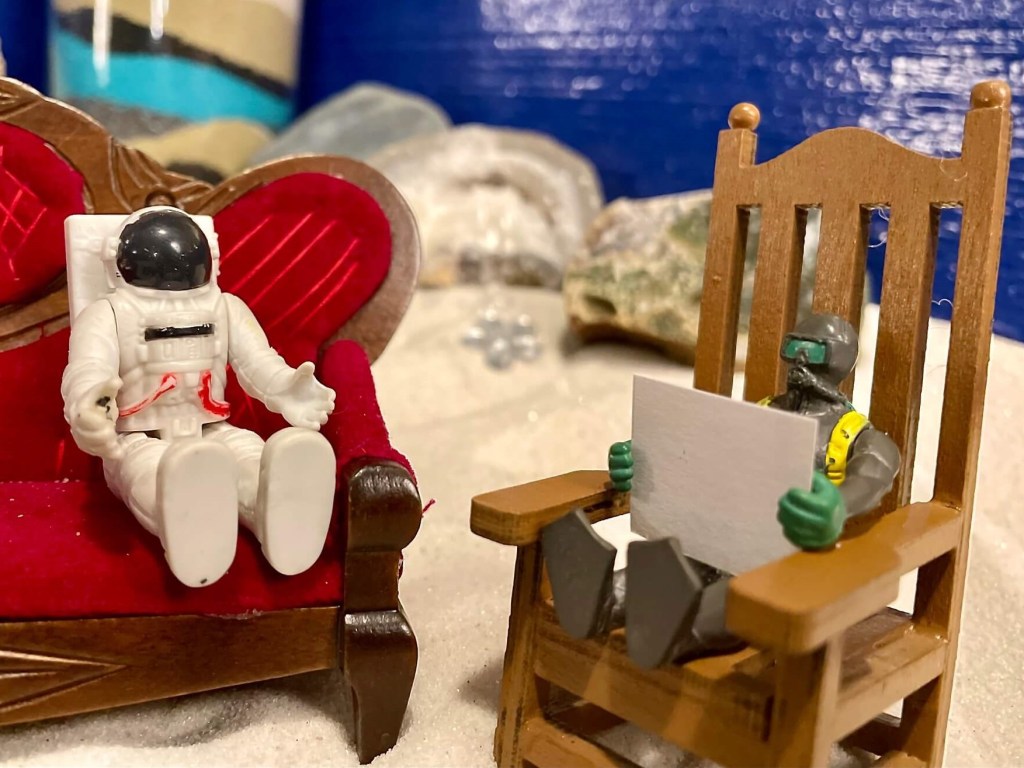
This question is so important to discuss as sometimes children will have a worldview that their thoughts, feelings, words, and actions can cause things to happen. This can cause them to believe that their thinking or feelings are so magical that their thoughts or feelings could have caused someone to die.

This thinking can be amplified if they may have said something hurtful to the person who died such as “I hate you,” or “I wish you would die.” Perhaps the last experience they had with the person who died was getting into an argument with them. Perhaps they made a wish that something bad would happen to the person who died. Perhaps they have a memory of saying something unkind or hurtful to that person.
This is another reason why it can be helpful to explain how the person died and to reiterate that there was nothing that they could have done to prevent or cause the death.

9. Is what I am feeling normal? Is how I am acting normal?
This is when sharing our feelings of grief and other feelings too or any other difficult feeling, even the hard feelings, can be incredibly validating and hopefully helpful.
Often adults who are supporting children try to show how strong they can be and how they can get through whatever happens in life and there is a great reason to do this as this shows children resilience.
There is a place for resilience and building resilience is often more effective if it comes after the validation of our tough feelings such as embarrassment, shame, anger, and grief.
To read more about this, check out this article I wrote about Sharing Your Grief and Other Feelings Too.

Another question that comes up is, “Is how I am acting normal?” To this question, you could say that behaviours are an expression of feelings, especially when we do not necessarily have the words to express how we are feeling. To read more about how Behaviours Are an Expression of Feelings check out this article.
One suggestion for supporting children with grief is getting them involved in a children’s grief group. Grief groups can be helpful to normalize our thoughts, feelings, and the way we are acting regarding our grief.
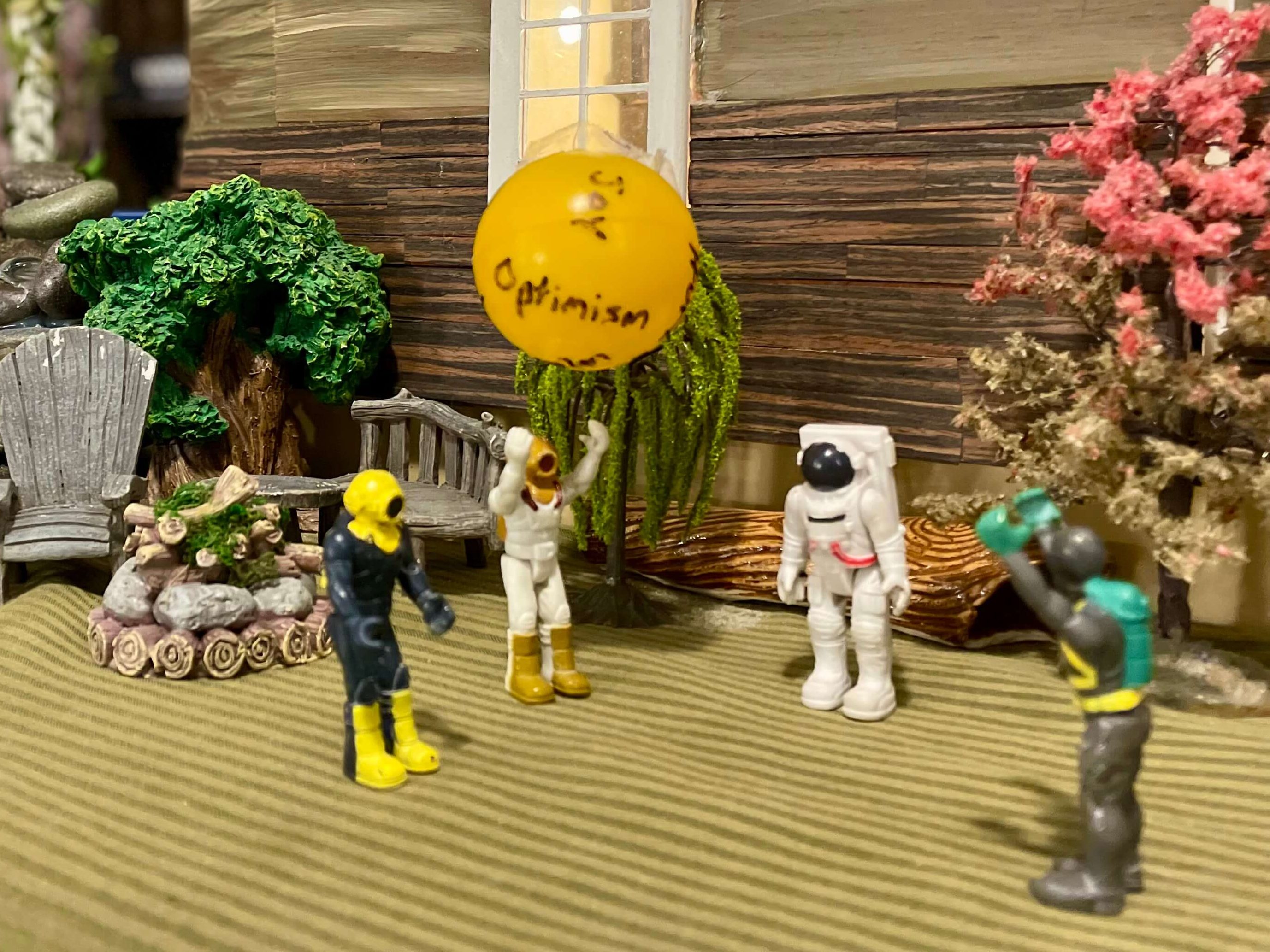
If the child you are supporting is not wanting to participate in a grief group, at this time, there are also options for children’s grief support through children’s grief counselling, play therapy, art therapy, or other expressive therapies.
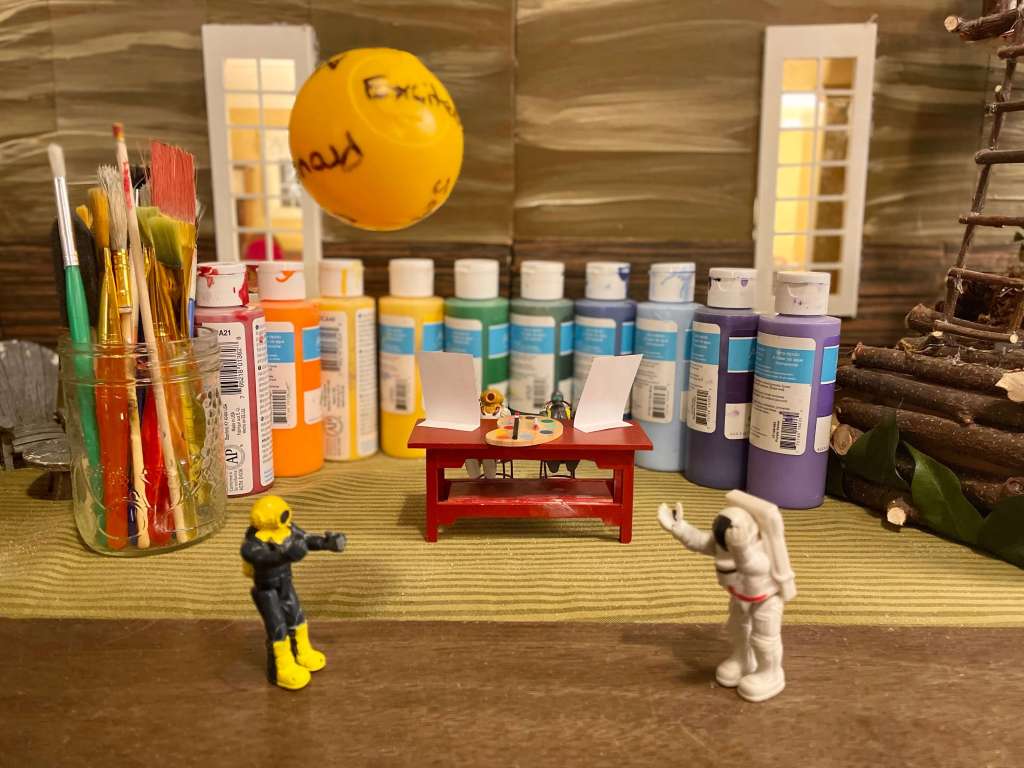
Children’s grief books can also be helpful in explaining some parts of the grief that they may be experiencing and may help support them with their feelings. Try your best to find children’s grief books that 1) do not have religious views mentioned (unless you are aware that this is what the child would prefer) and 2) use concrete language such as the words dead, died, or dying, rather than metaphors.
It was hard to find books that met those criteria and talked about grief in an honest way, so I created a book called Woodland Wisdom Books – Vol. 1 – Death, Grief, and Loss which is about a grief group that talks about their feelings of grief and learns some things that may come up for them in their journey with grief such as triggers and secondary losses.
10. How can I continue my bond with them?
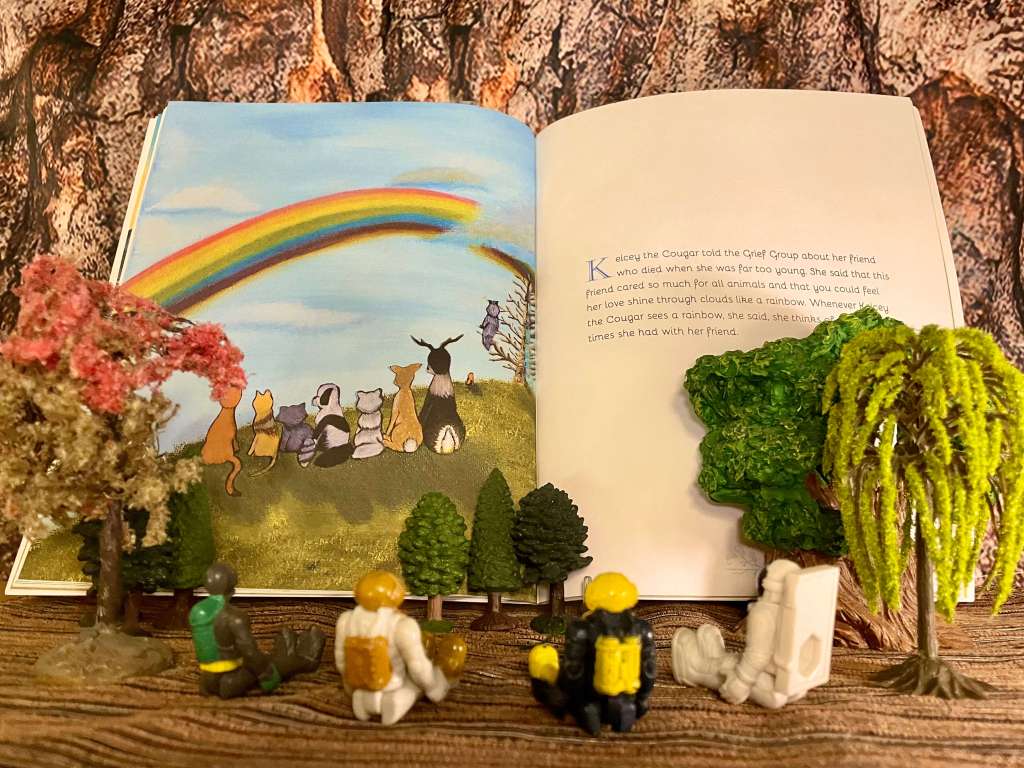
There are many ways to continue bonds with the people or pets we are remembering. It may be helpful to Make Time for Memories and to bring those we are remembering into special days. Let’s say that the person that is being remembered made chocolate chip cookies on a special holiday, perhaps that tradition can be continued with you and the child you are supporting.
Perhaps you could all make a Memory Lantern or try the Layers of Love activity together and light one or both of those on important days that they wish that person or pet was there for. Or perhaps you can do something that the person they are remembering liked to do. Planning on how we can involve their loved one on that day is one way to navigate the sometimes difficult holidays or other important days when stronger feelings of grief can surface.
Conclusion
- Children may have many questions for you. Let them know that you are available to answer whatever questions they may have that you have an answer for and if you don’t have an answer you will try your best to find an answer.
- Provide a safe and non-judgmental space for them to ask questions.
- What is most important to keep in mind is to try your best to answer questions in an honest, developmentally appropriate, and clear way.
- Try to stay away from metaphors or euphemisms.
- If you are not sure how to answer a question or do not know the answer, be honest about that. It can validate children’s feelings when you express that, as just like them, you do not have all the answers.

Special Thanks:
Thank you to KidsGrief.ca for the “4 C’s” and SickKids for the “6 C’s” and “3 W’s” as well as the Child & Youth Grief Network with the “6 C’s” and how “Children need to be reassured:
1) What is it Called?
2) They did not Cause the illness or death
3) They cannot Catch the illness
4) They cannot Cure the illness
5) Someone will take Care of them
6) Staying Connected to your loved one”
All this work helped to inspire me to create this article.
Stay Tuned for more Hopefully Helpful Hints on
Supporting Children with Grief and Loss

 Dallas Shirley